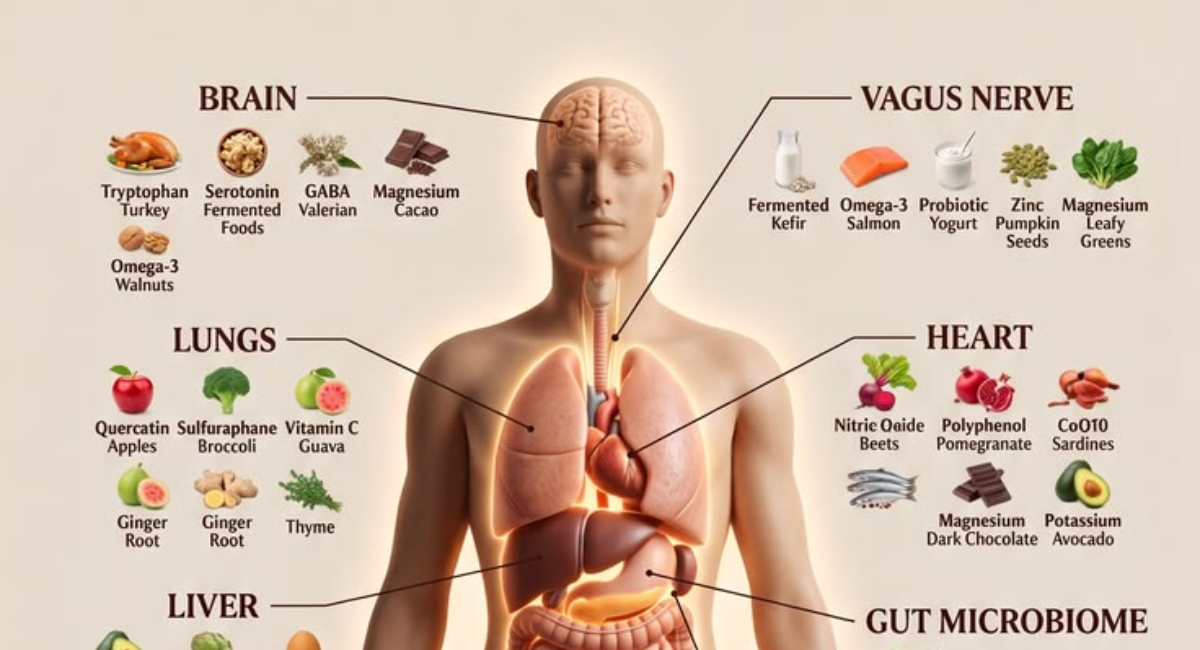
Have you ever noticed that stress can upset your stomach or that eating a healthy meal can leave you feeling more energized and focused? That’s because your gut, brain, and body are deeply connected. Scientists often refer to this relationship as the gut-brain axis—a communication network that links your digestive system with your brain and influences many aspects of your health.
When your gut is healthy, it can positively affect your digestion, mood, immune system, sleep, and even your energy levels. While there’s no quick fix for perfect health, taking care of your gut is one of the best ways to support your overall well-being.
What Is the Gut-Brain Connection?
Your gut contains trillions of microorganisms, including beneficial bacteria, fungi, and other microbes. Together, they form your gut microbiome, which plays an essential role in digestion, nutrient absorption, immune function, and communication with the brain.
The gut and brain stay connected through:
- The vagus nerve
- Hormones
- The immune system
- Chemical messengers called neurotransmitters
This constant communication helps regulate both physical and mental health.
How Your Gut Affects Your Brain
A healthy gut may help support:
Better Mood
Many neurotransmitters, including serotonin, are produced in the digestive system. Although mood is influenced by many factors, maintaining a healthy gut may contribute to overall emotional well-being.
Improved Focus
A balanced diet rich in whole foods can support steady energy levels, helping you stay more focused throughout the day.
Better Sleep
Healthy eating habits and proper digestion may contribute to better sleep quality, which benefits both your body and mind.
How Your Brain Affects Your Gut
The relationship works both ways. Emotional stress can influence digestion and may contribute to symptoms such as:
- Stomach discomfort
- Changes in appetite
- Bloating
- Indigestion
- Altered bowel habits
Managing stress is an important part of supporting digestive health.
Signs Your Gut May Need More Attention
Everyone’s digestive system is different, but some common signs that may indicate digestive issues include:
- Frequent bloating
- Constipation or diarrhea
- Excess gas
- Heartburn
- Fatigue
- Difficulty digesting certain foods
If these symptoms are persistent or severe, consult a healthcare professional for evaluation.
Foods That Support Gut Health
Eating a variety of nutrient-rich foods helps nourish beneficial gut bacteria.
High-Fiber Foods
Fiber acts as food for healthy gut microbes.
Choose foods like:
- Oats
- Apples
- Berries
- Beans
- Lentils
- Whole grains
- Broccoli
Fermented Foods
These foods naturally contain beneficial bacteria.
Examples include:
- Yogurt with live cultures
- Kefir
- Sauerkraut
- Kimchi
- Miso
- Tempeh
Prebiotic Foods
Prebiotics feed the healthy bacteria already living in your gut.
Good choices include:
- Garlic
- Onions
- Bananas
- Asparagus
- Leeks
- Chicory root
Healthy Fats
Healthy fats support overall wellness.
Include:
- Salmon
- Walnuts
- Chia seeds
- Flaxseeds
- Olive oil
- Avocados
Lifestyle Habits That Support the Gut-Brain-Body Connection
Healing from the inside out isn’t about one miracle food. It’s about consistent healthy habits.
Stay Hydrated
Water supports healthy digestion and overall body function.
Get Enough Sleep
Aim for 7–9 hours of quality sleep each night to support recovery and overall health.
Exercise Regularly
Physical activity helps support digestion, mood, and cardiovascular health.
Manage Stress
Mindfulness, meditation, deep breathing, yoga, and spending time outdoors may help reduce stress levels.
Eat Mindfully
Slow down during meals, chew thoroughly, and avoid distractions while eating.
Foods That May Disrupt Gut Health
While occasional treats are perfectly fine, regularly consuming large amounts of highly processed foods may negatively affect gut health.
Try to limit:
- Sugary beverages
- Ultra-processed snacks
- Excess alcohol
- Highly refined carbohydrates
- Foods high in added sugars
Balance is more important than perfection.
Can You Heal Your Gut Naturally?
Supporting gut health takes time. There isn’t a single food, supplement, or detox that can instantly “heal” your gut. Instead, focus on long-term habits such as eating a balanced diet, staying active, sleeping well, managing stress, and drinking enough water. These habits help create an environment where your digestive system can function at its best.
Final Thoughts
The gut, brain, and body work together every day, influencing everything from digestion and immunity to mood and energy. By making simple, sustainable lifestyle choices—like eating more fiber-rich foods, enjoying fermented foods, staying active, managing stress, and prioritizing sleep—you can support this powerful connection and improve your overall well-being. Healing from the inside out isn’t about quick fixes; it’s about building healthy habits that benefit your entire body for years to come.
