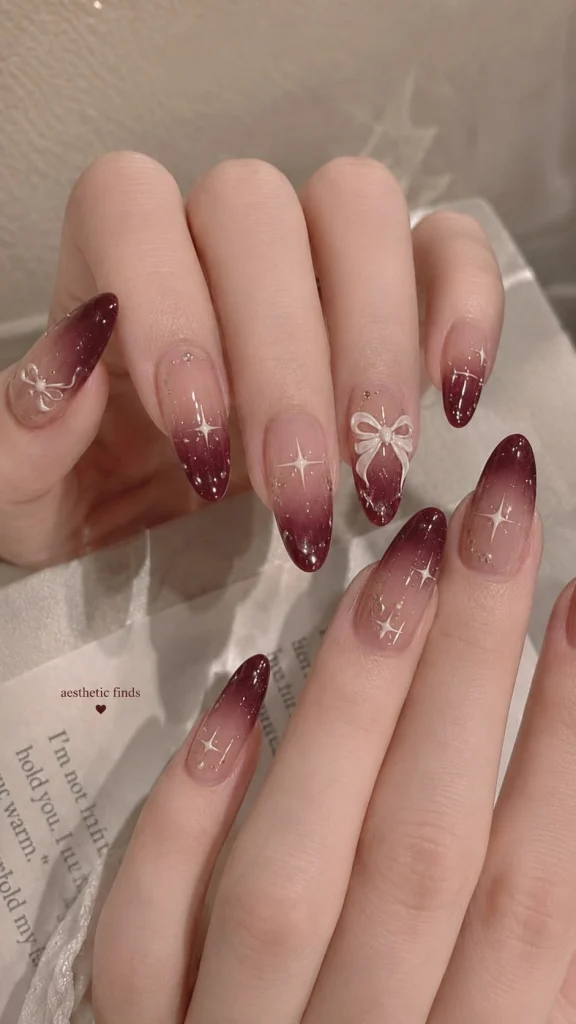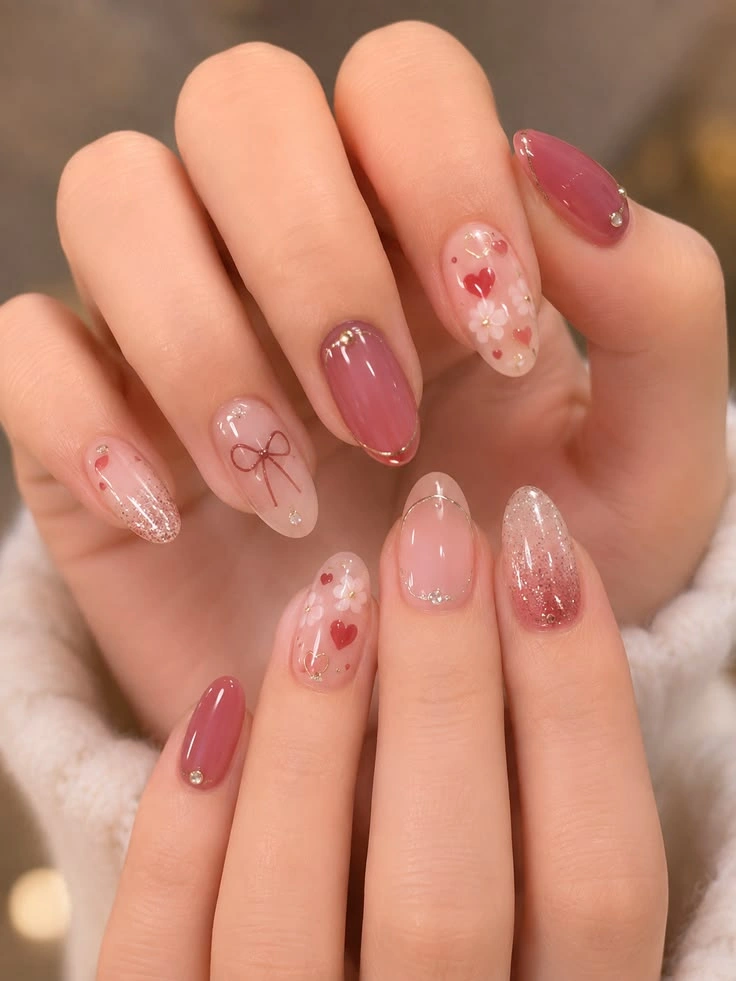
Nail art is a fun and creative way to make your hands look stylish without needing professional salon skills. If you are new to nail art, you might think that beautiful designs require expensive products or advanced techniques. The good news is that nail art for beginners can be simple, affordable, and easy to learn at home.
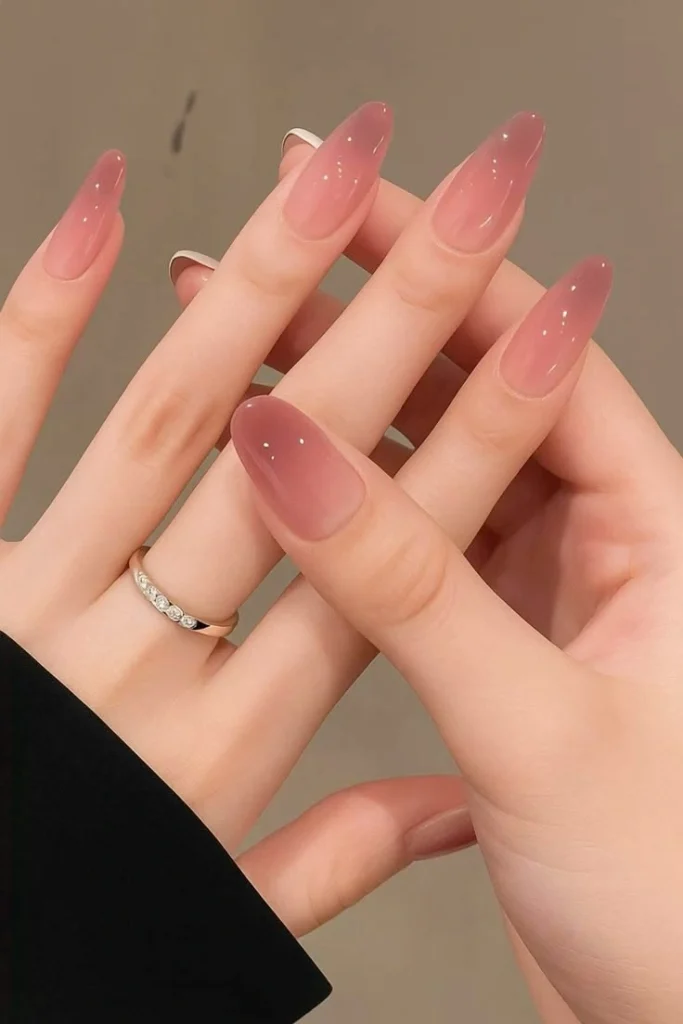
With a few basic tools, some practice, and the right techniques, you can create attractive nail designs even if you have never tried nail art before. From simple dots and stripes to French tips and floral patterns, there are plenty of beginner-friendly options to explore.
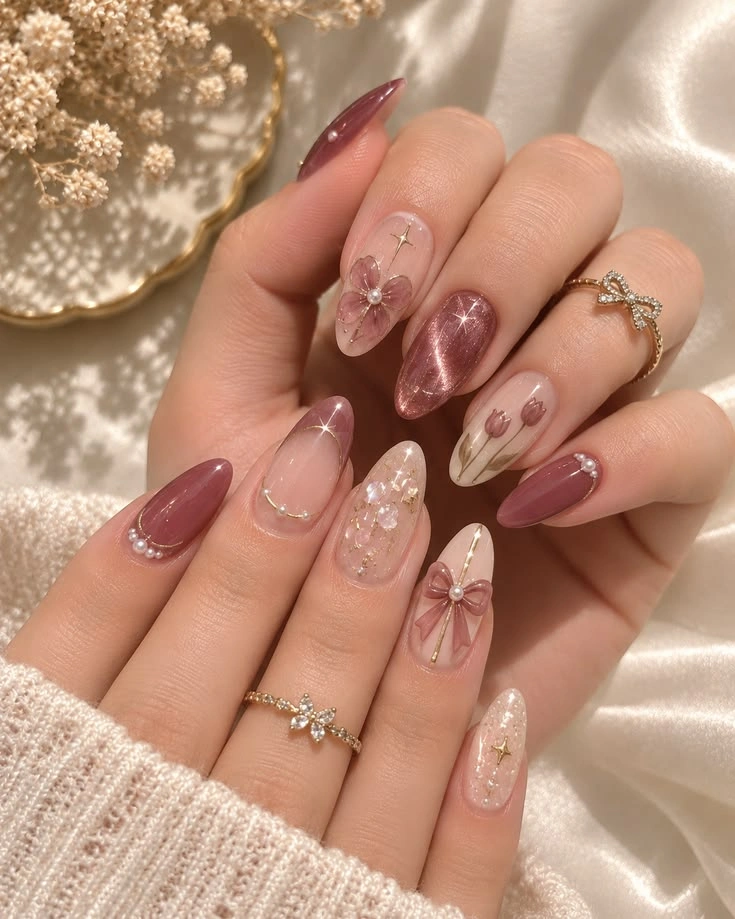
What Is Nail Art?
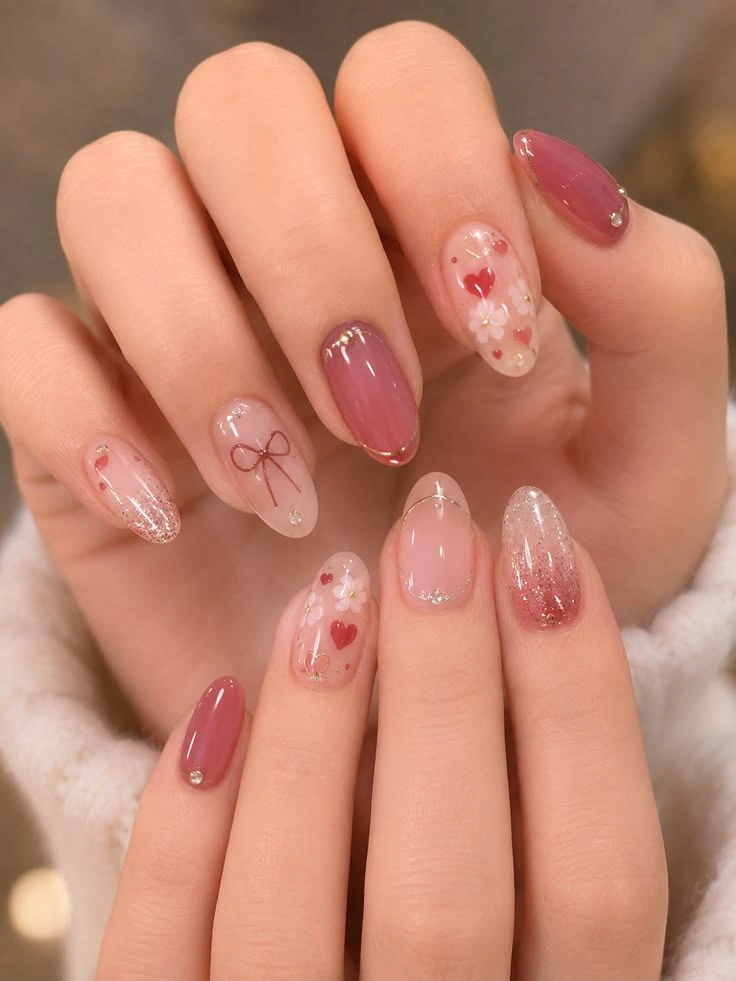
Nail art is the practice of decorating fingernails or toenails using nail polish, gel polish, stickers, glitter, stones, stamping techniques, or other decorative materials. Designs can be minimal and elegant or colorful and creative, depending on your personal style.
For beginners, it is best to start with simple designs rather than complicated patterns. Once you become comfortable controlling your brush and applying polish evenly, you can gradually experiment with more detailed artwork.
Essential Nail Art Tools for Beginners
You don’t need a large professional kit to get started. A few basic supplies are enough for most beginner designs.
1. Base Coat
A base coat creates a smooth surface and can help protect your natural nails from staining.
2. Nail Polish
Start with a few versatile shades such as:
- White
- Black
- Nude
- Pink
- Red
- Your favorite bright color
3. Top Coat
A top coat helps seal your design and gives the nails a finished appearance.
4. Dotting Tool
A dotting tool is one of the easiest nail art tools to use. You can create dots, flowers, hearts, and other simple patterns with it.
5. Thin Nail Art Brush
A thin brush is useful for creating lines, curves, French tips, and small details.
6. Nail Tape
Nail tape can help beginners create clean geometric designs and straight lines.
7. Clean-Up Brush
A small brush dipped carefully in nail polish remover can help clean polish from around the edges of your nails.
How to Do Nail Art at Home: Step-by-Step
If you’re wondering how to start nail art as a beginner, follow these simple steps.
Step 1: Prepare Your Nails
Remove old nail polish and wash your hands. Shape your nails using a nail file and gently push back your cuticles if needed.
Avoid cutting your cuticles aggressively, as they provide protection around the nail.
Step 2: Apply a Base Coat
Apply a thin layer of base coat to each nail and allow it to dry. This gives your polish a smoother surface.
Step 3: Apply Your Base Color
Choose a nail polish shade that will work well with your design. Apply one thin coat, allow it to dry, and then add a second coat if necessary.
Step 4: Create Your Design
Start with a simple pattern. Use a dotting tool for dots or a thin brush for lines and small shapes.
Don’t worry if your first attempt isn’t perfect. Nail art improves with practice.
Step 5: Clean the Edges
If polish gets onto your skin, use a small clean-up brush and nail polish remover to carefully remove the excess.
Step 6: Finish With a Top Coat
Once your design is completely dry, apply a thin layer of top coat. This can help protect the design and create a smooth finish.
Easy Nail Art Ideas for Beginners
If you’re looking for inspiration, try these simple designs first.
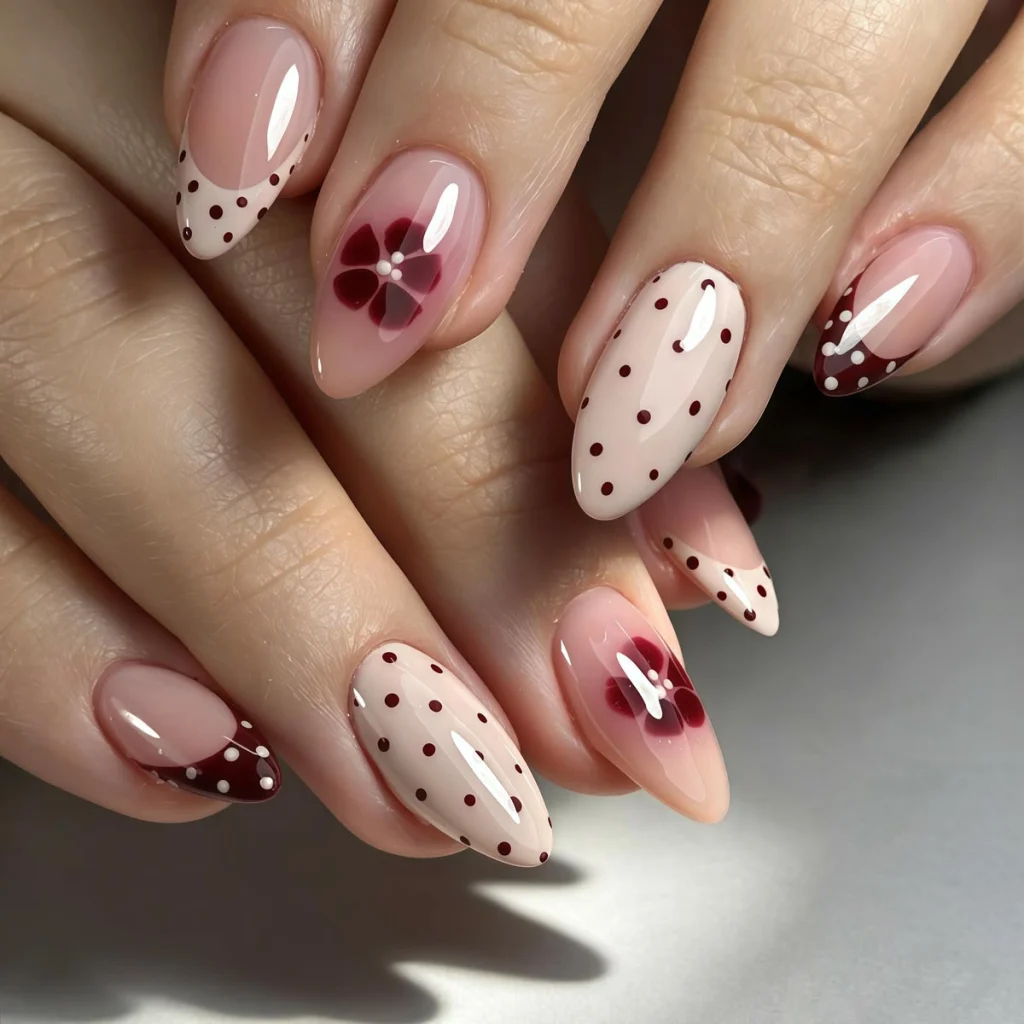
1. Polka Dot Nails
Polka dots are one of the easiest nail art designs to create. Apply a base color and use a dotting tool to add dots in a contrasting shade.
You can use identical dots for a clean look or different sizes for a playful design.
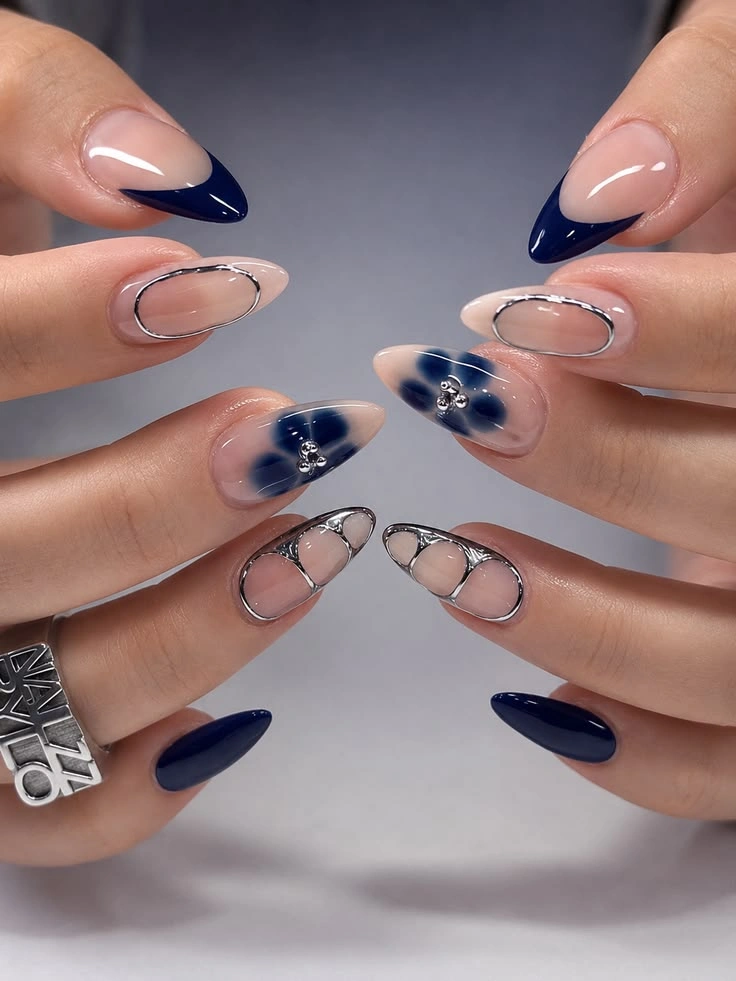
2. Simple French Tips
French tips are a classic choice. Start with a nude or light pink base and carefully paint white tips.
Beginners who find freehand tips difficult can use nail-tip guides or tape to create a cleaner shape.
3. Minimal Line Art
Minimal nail art is perfect if you prefer an elegant look. Try adding a few thin lines, tiny curves, or simple geometric shapes over a neutral base.
4. Flower Nail Art
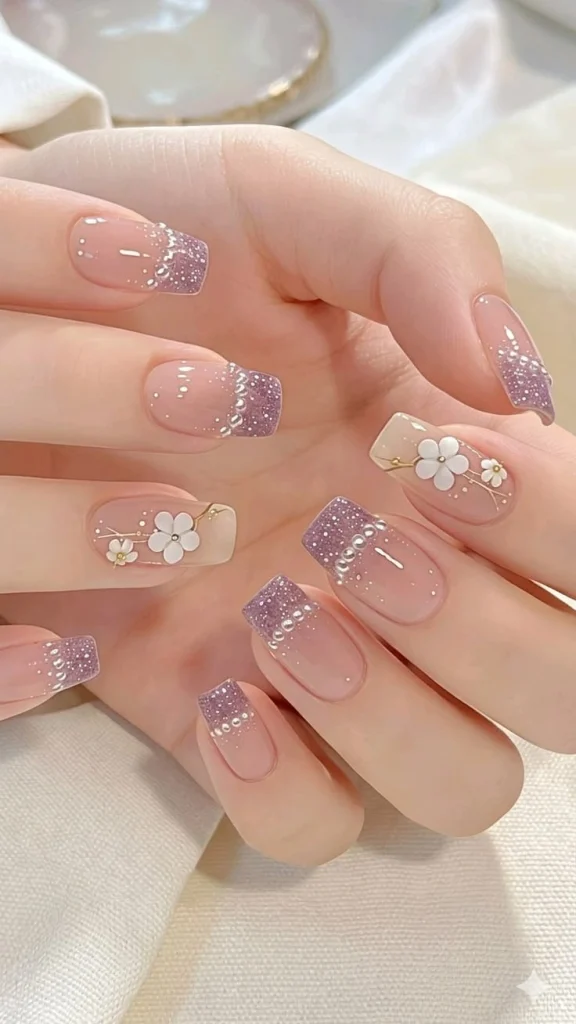
Create simple flowers by placing five small dots in a circle and adding a different-colored dot in the center. This is an easy way to create a cute spring or summer manicure.
5. Glitter Accent Nail
If detailed nail art feels difficult, keep most nails simple and decorate just one or two nails with glitter. This gives your manicure a stylish look without requiring advanced techniques.
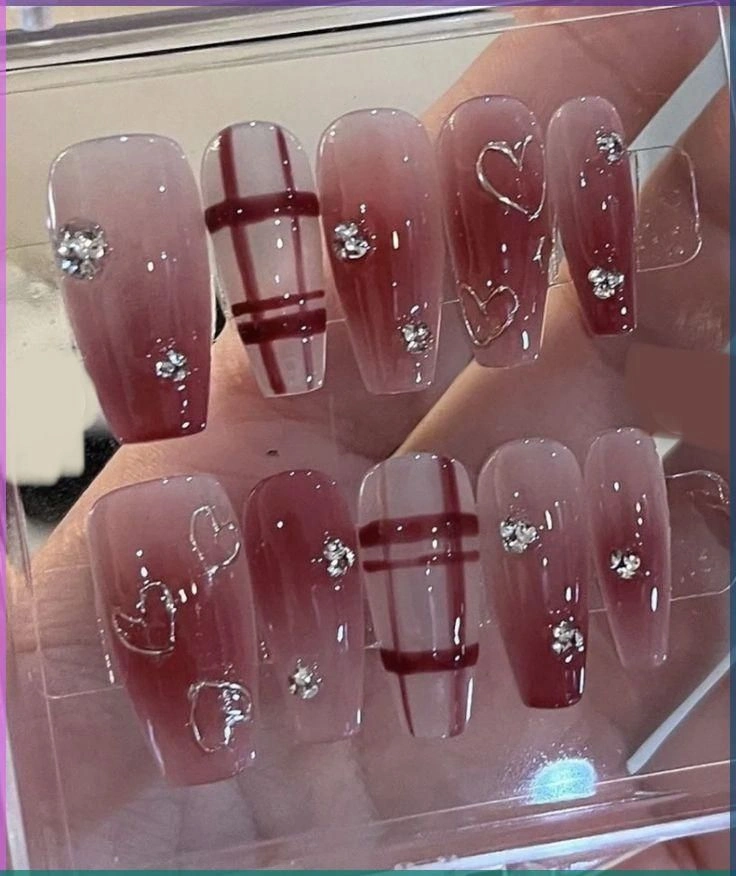
6. Heart Nail Design
Small hearts can be created using two dots placed close together and connected into a point. Practice on paper first if you’re struggling with the shape.
Beginner Nail Art Tips
Learning nail art takes patience. These tips can make the process easier:
- Use thin layers instead of applying a thick amount of polish.
- Allow each layer to dry before adding another.
- Keep your hands steady while creating detailed designs.
- Start with simple patterns and gradually increase the difficulty.
- Practice on paper or nail tips before working directly on your nails.
- Keep a clean-up brush nearby for correcting small mistakes.
- Use contrasting colors so your design is easy to see.
- Don’t rush the top coat, especially if the artwork underneath is still wet.
Common Nail Art Mistakes Beginners Should Avoid
Applying Too Much Polish
Thick layers can take longer to dry and may smudge easily. Thin layers generally give you better control.
Starting With Complicated Designs
Detailed portraits or intricate patterns can be frustrating when you’re just learning. Begin with dots, lines, flowers, and simple French tips.
Skipping the Base and Top Coat
Skipping these steps can affect the overall appearance and longevity of your manicure.
Not Letting Layers Dry
One of the most common beginner mistakes is working too quickly. Give each layer enough time to set before continuing.
Using Too Many Colors
A design doesn’t need lots of colors to look attractive. Two or three complementary shades can create a polished appearance.
How Long Does It Take to Learn Nail Art?
There is no fixed timeline for learning nail art. Simple designs can often be learned after a few practice sessions, while advanced techniques require more experience.
The most important thing is consistency. Even practicing for 15–20 minutes several times a week can help improve your brush control and precision.
Nail Art for Beginners: Start Simple
You don’t need professional equipment or years of experience to begin creating nail art. Start with basic tools, choose easy designs, and give yourself time to practice.