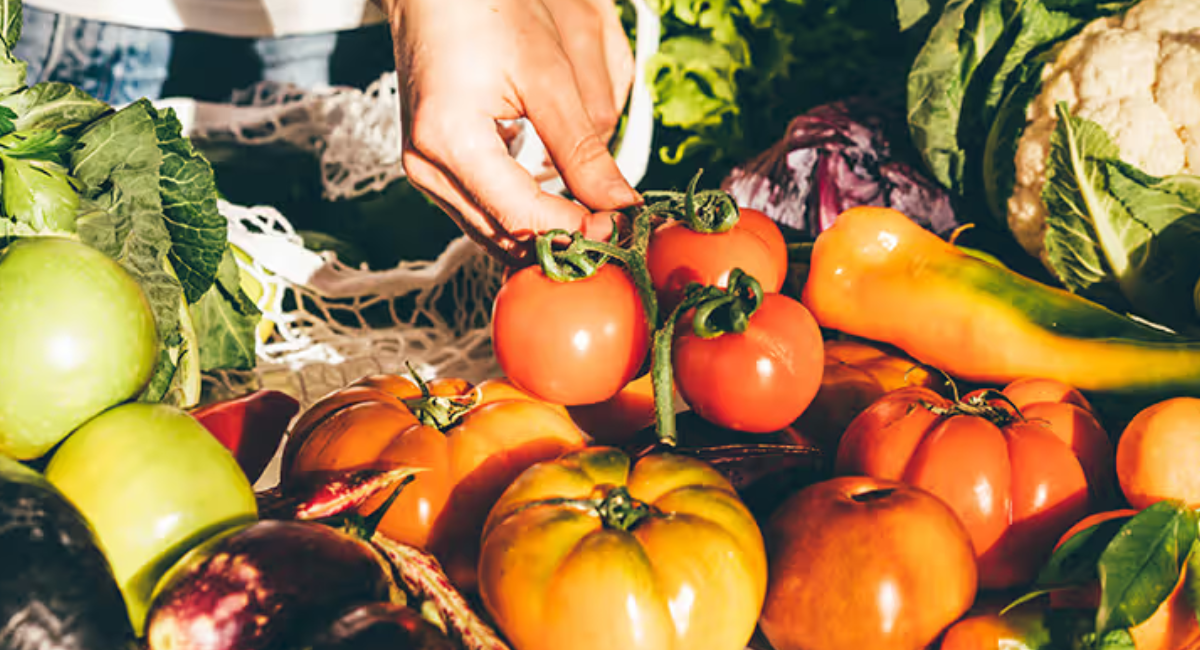
The phrase “Food is Medicine” has been around for centuries, and for good reason. While food can’t replace medical treatment when it’s needed, the foods you eat every day have a powerful impact on your overall health. A balanced diet rich in whole, nutrient-dense foods can help support your immune system, improve energy levels, reduce inflammation, and lower the risk of many chronic diseases.
Instead of thinking of healthy eating as a temporary diet, think of it as one of the most effective ways to care for your body every single day.
What Does “Food Is Medicine” Mean?
Food is more than fuel—it provides the vitamins, minerals, antioxidants, fiber, healthy fats, and protein your body needs to function properly. Every meal is an opportunity to nourish your body, protect your cells, and support long-term health.
Choosing nutritious foods consistently can help your body perform at its best while reducing the risk of health problems over time.
Health Benefits of Eating Whole Foods
A nutrient-rich diet can help:
- Strengthen your immune system
- Support heart health
- Improve digestion
- Maintain healthy blood sugar levels
- Increase energy naturally
- Support brain function
- Promote healthy skin and hair
- Reduce inflammation
- Support healthy weight management
Foods That Work Like Natural Medicine
1. Leafy Green Vegetables
Spinach, kale, Swiss chard, and other leafy greens are packed with vitamins A, C, K, iron, calcium, and antioxidants.
Benefits:
- Supports heart health
- Strengthens bones
- Boosts immunity
2. Berries
Blueberries, strawberries, raspberries, and blackberries are rich in antioxidants that help protect your cells from damage.
Benefits:
- Supports brain health
- Promotes healthy aging
- Helps reduce inflammation
3. Fatty Fish
Salmon, sardines, trout, and mackerel are excellent sources of omega-3 fatty acids.
Benefits:
- Supports heart health
- Promotes brain function
- Reduces inflammation
4. Nuts and Seeds
Almonds, walnuts, chia seeds, flaxseeds, and pumpkin seeds provide healthy fats, protein, and essential minerals.
Benefits:
- Keeps you full longer
- Supports heart health
- Provides healthy fats
5. Citrus Fruits
Oranges, lemons, grapefruit, and kiwi are loaded with vitamin C.
Benefits:
- Boosts immunity
- Supports collagen production
- Helps absorb iron
6. Garlic
Garlic contains natural compounds that may support immune health and heart function.
Benefits:
- Supports cardiovascular health
- Adds flavor without excess salt
- Contains antioxidants
7. Ginger
Ginger has long been used to support digestion and ease occasional nausea.
Benefits:
- Supports digestive health
- May reduce inflammation
- Adds natural flavor to meals and tea
8. Yogurt
Plain yogurt with live cultures contains probiotics that support gut health.
Benefits:
- Promotes healthy digestion
- Supports gut bacteria
- Provides calcium and protein
9. Whole Grains
Oats, brown rice, quinoa, and whole wheat provide fiber and long-lasting energy.
Benefits:
- Supports digestion
- Helps maintain steady energy
- Promotes heart health
10. Beans and Lentils
Legumes are rich in plant protein, fiber, iron, and folate.
Benefits:
- Supports healthy blood sugar
- Promotes fullness
- Excellent for heart health
Build a Plate That Heals
A balanced meal should include:
- Colorful vegetables
- Fresh fruits
- Lean protein
- Whole grains
- Healthy fats
- Plenty of water
The more variety you eat, the more nutrients your body receives.
Healthy Habits That Make Food More Powerful
Nutrition works best when combined with other healthy habits:
- Stay physically active.
- Get enough sleep each night.
- Drink plenty of water.
- Manage stress.
- Limit highly processed foods and sugary drinks.
- Practice mindful eating.
Small daily choices add up over time.
Can Food Replace Medicine?
Healthy eating plays an important role in preventing disease and supporting overall wellness, but it should not replace prescribed medications or professional medical care for serious health conditions. Think of nutritious food as a powerful partner to a healthy lifestyle and, when needed, appropriate medical treatment.
If you have a chronic condition or specific dietary needs, talk with your healthcare provider or a registered dietitian before making major changes to your diet.
Final Thoughts
The saying “Food Is Medicine” reminds us that every meal is an opportunity to care for our bodies. Choosing whole, nutrient-rich foods can support your immune system, protect your heart, improve digestion, and help you feel your best every day.
You don’t need a perfect diet to experience the benefits. Start by making one healthy choice at a time—add an extra serving of vegetables, swap sugary snacks for fruit, or include more whole grains in your meals. Over time, these simple habits can have a lasting impact on your health and well-being.
