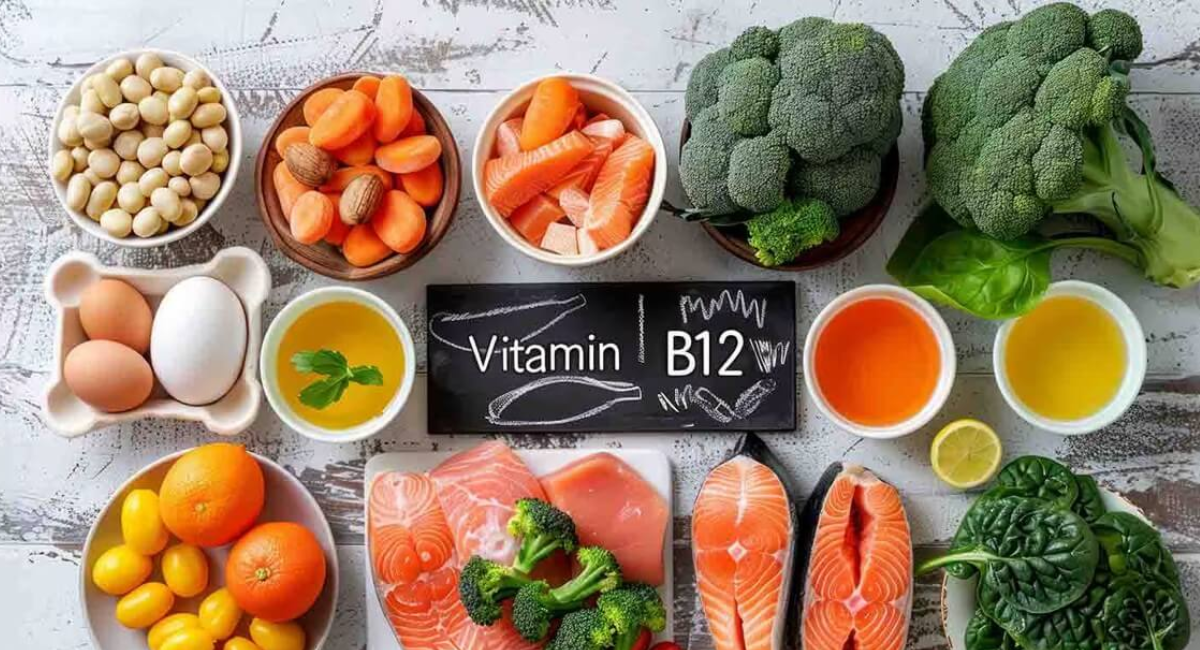
Vitamin B12 is an essential nutrient that plays a key role in keeping your body healthy. It helps produce red blood cells, supports the nervous system, contributes to DNA production, and assists in converting the food you eat into energy.
Since your body cannot produce vitamin B12 on its own, it’s important to get enough from your diet or supplements if recommended by your healthcare provider.
Here are six of the best natural food sources of vitamin B12.
1. Clams
Clams are one of the richest natural sources of vitamin B12 and are also packed with protein, iron, and other essential minerals.
Benefits
- Excellent source of vitamin B12
- Supports brain and nerve health
- Rich in iron for healthy red blood cells
- High-quality protein
Best Ways to Eat
- Steamed
- Seafood pasta
- Chowders
- Grilled
2. Tuna
Tuna is a lean, protein-rich fish that provides plenty of vitamin B12 along with heart-healthy nutrients.
Benefits
- High in vitamin B12
- Rich in lean protein
- Supports heart health
- Contains selenium and vitamin D
Best Ways to Eat
- Tuna salad
- Sandwiches
- Grilled tuna steaks
- Grain bowls
3. Sardines
Small but incredibly nutritious, sardines are loaded with vitamin B12 and omega-3 fatty acids.
Benefits
- Rich in vitamin B12
- Excellent source of omega-3 fats
- Supports heart and brain health
- High in calcium when eaten with bones
Best Ways to Eat
- On whole-grain toast
- Mixed into salads
- With crackers
- Pasta dishes
4. Salmon
Salmon is one of the healthiest fish you can include in your diet.
Benefits
- Rich in vitamin B12
- High in omega-3 fatty acids
- Supports brain function
- Helps maintain healthy nerve function
- Excellent source of protein
Best Ways to Eat
- Baked
- Grilled
- Air-fried
- Added to salads
5. Dairy Products
Milk, yogurt, and cheese provide vitamin B12 along with calcium and protein.
Benefits
- Supports bone health
- Good source of vitamin B12
- Rich in calcium
- Helps meet daily protein needs
Best Choices
- Low-fat milk
- Greek yogurt
- Cottage cheese
- Cheddar or Swiss cheese
6. Eggs
Eggs are an affordable and nutritious source of vitamin B12, with most of the vitamin found in the yolk.
Benefits
- Good source of vitamin B12
- High-quality protein
- Contains choline for brain health
- Supports muscle maintenance
Best Ways to Eat
- Boiled
- Scrambled
- Poached
- Omelets
Health Benefits of Vitamin B12
Getting enough vitamin B12 may help support:
- Healthy red blood cell production
- Normal nerve function
- Brain health
- Energy metabolism
- DNA synthesis
- Overall wellness
Who Is at Risk of Vitamin B12 Deficiency?
Some people are more likely to have low vitamin B12 levels, including:
- Older adults
- Vegans and strict vegetarians
- People with digestive disorders that reduce nutrient absorption
- Individuals taking certain medications that affect B12 absorption
If you suspect a deficiency, speak with a healthcare professional. A blood test can determine your vitamin B12 status.
How Much Vitamin B12 Do Adults Need?
Most healthy adults need 2.4 micrograms (mcg) of vitamin B12 per day. Requirements may be higher during pregnancy and breastfeeding, so consult your healthcare provider for personalized guidance.
Tips for Getting More Vitamin B12
- Eat seafood like salmon, tuna, sardines, and clams regularly.
- Include eggs and dairy in your meals if you consume animal products.
- Choose fortified plant-based milks or cereals if you follow a vegan diet.
- Discuss supplements with your healthcare provider if you’re unable to meet your needs through food.
Final Thoughts
Vitamin B12 is essential for energy production, brain function, healthy nerves, and red blood cell formation. Foods like clams, tuna, sardines, salmon, dairy products, and eggs are among the richest natural sources. Eating a balanced diet that includes these foods can help you maintain healthy vitamin B12 levels and support your overall well-being.
