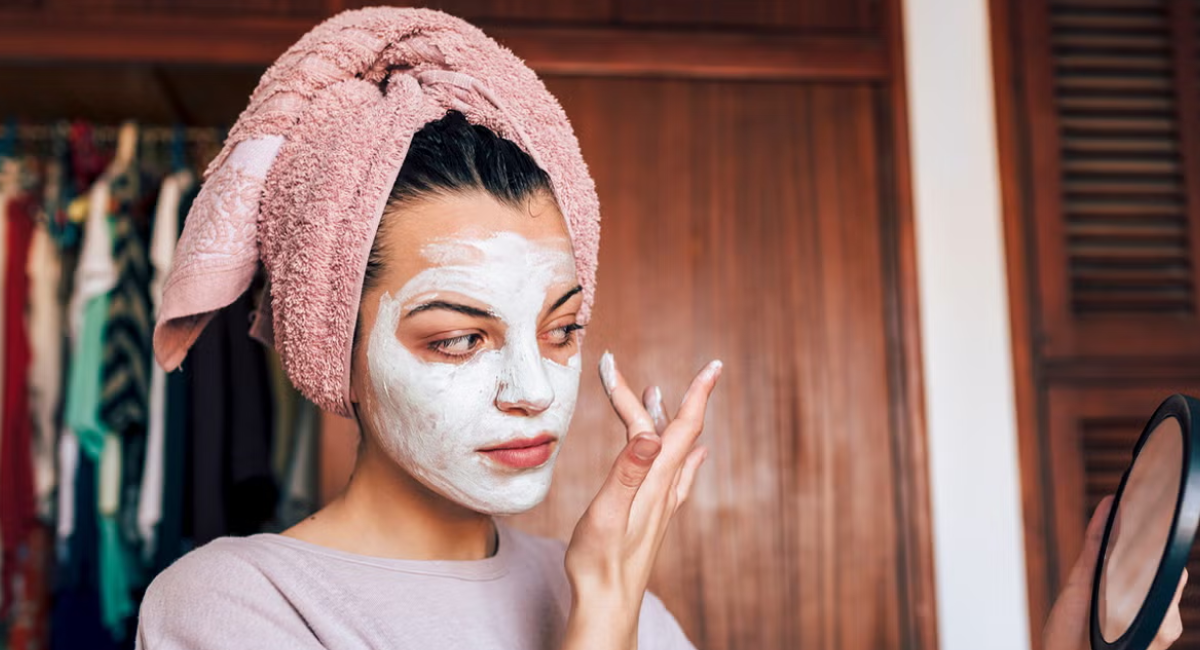
Acne is one of the most common skin concerns, affecting people of all ages. While occasional breakouts are normal, a consistent skincare routine and healthy lifestyle can help reduce acne and improve your skin’s overall appearance.
Here are 10 science-backed tips that may help you achieve clearer, healthier skin.
1. Cleanse Your Face Twice a Day
Wash your face every morning and evening with a gentle, non-comedogenic cleanser to remove excess oil, dirt, and makeup.
Tip: Avoid harsh scrubbing, as it can irritate the skin and worsen acne.
2. Don’t Pick or Pop Pimples
It can be tempting, but squeezing pimples can push bacteria deeper into the skin, increasing the risk of inflammation, scarring, and infection.
3. Use Non-Comedogenic Skincare Products
Choose products labeled “non-comedogenic” or “oil-free” to reduce the chance of clogged pores.
Look for:
- Lightweight moisturizers
- Oil-free sunscreen
- Non-comedogenic makeup
4. Moisturize Every Day
Even oily skin needs moisture. A lightweight moisturizer helps maintain the skin barrier and prevents excessive dryness.
5. Wear Sunscreen Daily
Use a broad-spectrum SPF 30 or higher every day. Sun exposure can worsen acne marks and increase skin sensitivity.
6. Eat a Balanced Diet
A healthy diet supports overall skin health.
Include:
- Fruits
- Vegetables
- Whole grains
- Lean protein
- Healthy fats like salmon, walnuts, and avocado
Limiting sugary drinks and highly processed foods may help some people manage breakouts, though responses vary.8
7. Stay Hydrated
Drinking enough water supports overall skin health and helps maintain your skin’s natural moisture balance.
8. Change Pillowcases and Clean Your Phone
Pillowcases, towels, and phone screens can collect oil, dirt, and bacteria.
- Change pillowcases every few days.
- Clean your phone regularly.
- Use clean towels for your face.
9. Manage Stress
Stress doesn’t directly cause acne, but it may contribute to flare-ups in some people.
Try:
- Regular exercise
- Meditation
- Deep breathing
- Quality sleep
- Time outdoors
10. Use Proven Acne Ingredients
Over-the-counter products containing these ingredients may help mild acne:
- Salicylic acid
- Benzoyl peroxide
- Niacinamide
- Azelaic acid
- Adapalene (retinoid)
Always follow the product directions and introduce new products gradually to reduce irritation.
Daily Habits for Clearer Skin
- Wash your face after sweating.
- Remove makeup before bed.
- Avoid touching your face frequently.
- Keep hair clean and away from your face if it’s oily.
- Wash makeup brushes regularly.
- Be consistent with your skincare routine.
When to See a Dermatologist
If your acne is painful, leaves scars, or doesn’t improve after several weeks of using over-the-counter products, consult a dermatologist. Prescription treatments may be needed for moderate to severe acne.
Final Thoughts
Clear skin takes time and consistency. Gentle cleansing, daily sun protection, a balanced diet, good hygiene, and appropriate acne treatments can all support healthier skin. Remember that everyone’s skin is different, so finding the right routine may take patience. If your acne persists or worsens, seek advice from a qualified healthcare professional.
