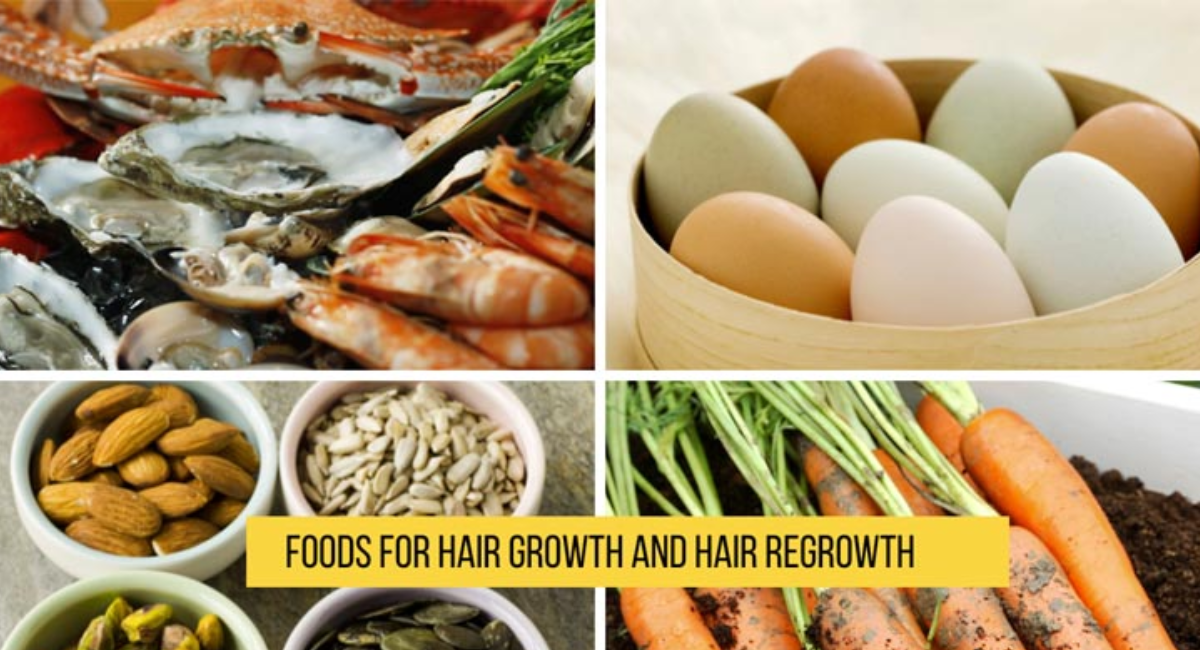
Healthy hair starts from the inside out. While genetics play a major role in hair growth, proper nutrition, scalp care, and healthy lifestyle habits can help support healthy hair and reduce unnecessary breakage.
Here are 10 science-backed tips to encourage stronger, healthier hair.
1. Eat a Protein-Rich Diet
Hair is primarily made of protein (keratin), so getting enough protein is essential.
Best Protein Foods
- Eggs
- Chicken
- Fish
- Greek yogurt
- Lentils
- Beans
- Tofu
Benefits
- Supports healthy hair structure
- Helps reduce hair breakage
- Promotes stronger strands
2. Include Iron-Rich Foods
Low iron levels can contribute to hair shedding in some people.
Iron Sources
- Spinach
- Lean beef
- Lentils
- Chickpeas
- Pumpkin seeds
Benefits
- Supports healthy oxygen delivery to hair follicles
- Helps maintain normal hair growth
3. Get Enough Vitamin D
Vitamin D plays a role in healthy hair follicle function.
Sources
- Sunlight
- Fortified dairy products
- Fatty fish
- Eggs
4. Eat Omega-3-Rich Foods
Healthy fats nourish the scalp and support healthy hair.
Best Foods
- Salmon
- Sardines
- Walnuts
- Chia seeds
- Flaxseeds
5. Massage Your Scalp
A gentle scalp massage may improve blood flow to the scalp and can be a relaxing part of your hair care routine.
Tip: Massage for 5–10 minutes a few times per week.
6. Keep Your Scalp Clean
A healthy scalp provides the best environment for healthy hair.
- Wash regularly based on your hair type.
- Avoid excessive product buildup.
- Use a gentle shampoo if your scalp is sensitive.
7. Avoid Excessive Heat Styling
Frequent use of flat irons, curling wands, and blow dryers can weaken hair and increase breakage.
Instead
- Air dry when possible.
- Use a heat protectant before styling.
- Keep heat settings low to medium.
8. Stay Hydrated
Water supports overall body function, including maintaining healthy skin and scalp.
Aim to drink enough fluids throughout the day according to your activity level and climate.
9. Manage Stress
Chronic stress can contribute to temporary hair shedding.
Healthy stress-management techniques include:
- Regular exercise
- Yoga
- Meditation
- Quality sleep
- Spending time outdoors
10. Trim Split Ends Regularly
Regular trims don’t make hair grow faster, but they help prevent split ends from traveling up the hair shaft, keeping hair looking healthier and reducing breakage.
Best Foods for Hair Growth
Include these nutrient-rich foods in your diet:
- Eggs
- Salmon
- Spinach
- Sweet potatoes
- Berries
- Avocados
- Nuts
- Seeds
- Greek yogurt
- Beans
Nutrients That Support Healthy Hair
Healthy hair depends on a variety of nutrients, including:
- Protein
- Biotin
- Iron
- Zinc
- Vitamin D
- Vitamin C
- Vitamin E
- Omega-3 fatty acids
If you’re concerned about nutrient deficiencies, consult a healthcare professional before taking supplements.
Habits That Can Damage Hair
Avoid these habits to protect your hair:
- Tight hairstyles that pull on the scalp
- Excessive heat styling
- Frequent chemical treatments
- Rough towel drying
- Overwashing or harsh shampoos
- Skipping conditioner if your hair is dry
When to See a Healthcare Professional
If you experience sudden hair loss, patchy bald spots, scalp pain, or excessive shedding that lasts for several months, consult a dermatologist or healthcare provider. Hair loss can sometimes be linked to underlying medical conditions or nutritional deficiencies that require evaluation.
Final Thoughts
Healthy hair growth is supported by good nutrition, proper scalp care, gentle hair practices, and a healthy lifestyle. While hair typically grows about ½ inch (1.25 cm) per month, consistency is key. Focus on nourishing your body, protecting your hair from damage, and being patient as healthy habits take effect.
