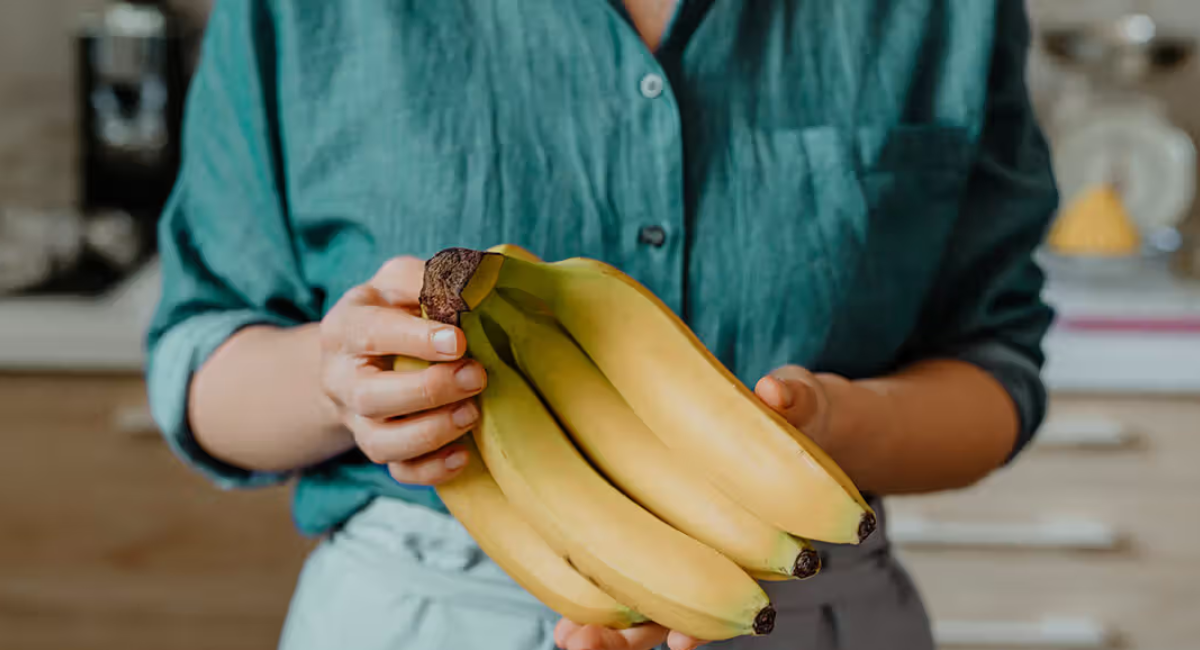
When it comes to healthy snacks, few foods are as simple, affordable, and nutritious as bananas. They’re naturally sweet, easy to carry, and packed with essential nutrients that your body needs every day. Whether you’re grabbing breakfast on the go, looking for a post-workout snack, or trying to make healthier food choices, bananas are an excellent option.
Beyond their great taste, bananas offer a wide range of health benefits. From supporting heart health to improving digestion and providing lasting energy, this everyday fruit deserves a spot in your daily routine.
Why Are Bananas So Healthy?
A medium-sized banana contains approximately:
- Calories: 105
- Carbohydrates: 27 grams
- Fiber: 3 grams
- Protein: 1.3 grams
- Fat: 0.3 grams
- Potassium: 422 mg
- Vitamin B6: About 25% of your Daily Value
- Vitamin C: About 10% of your Daily Value
- Magnesium: 32 mg
These nutrients work together to support your body in several important ways.
1. Gives You Natural Energy
Bananas contain natural carbohydrates that provide quick and sustained energy. They’re a favorite among runners, cyclists, and gym-goers because they’re easy to digest and help replenish energy after physical activity.
Instead of reaching for sugary snacks, try eating a banana before or after your workout.
2. Supports a Healthy Heart
Bananas are one of the best natural sources of potassium, a mineral that helps regulate blood pressure and supports normal heart function.
A diet rich in potassium may help lower the risk of high blood pressure when combined with a healthy lifestyle.
3. Improves Digestion
The fiber in bananas supports healthy digestion and helps keep bowel movements regular. Bananas also contain prebiotics, which feed the beneficial bacteria in your gut.
A healthy gut plays an important role in your overall well-being.
4. Helps You Stay Full Longer
Trying to avoid unnecessary snacking? Bananas contain fiber that helps you feel satisfied between meals.
Pair a banana with peanut butter, almond butter, or Greek yogurt for a balanced snack that keeps hunger under control.
5. Supports Muscle Function
Potassium and magnesium help your muscles contract and relax properly. That’s one reason many athletes include bananas in their training routine.
Eating a banana after exercise may also support muscle recovery.
6. Good for Your Immune System
Bananas provide vitamin C and antioxidants that help support your immune system and protect your cells from damage caused by free radicals.
While they aren’t a cure for illness, they can be part of a healthy diet that supports your body’s natural defenses.
7. Supports Healthy Blood Pressure
Most Americans consume too much sodium and not enough potassium. Bananas help increase your potassium intake, which plays an important role in maintaining healthy blood pressure levels.
Including potassium-rich foods regularly is beneficial for overall cardiovascular health.
8. Helps Support Brain Function
Vitamin B6 found in bananas helps your body produce neurotransmitters that support brain function and mood.
It also plays a role in converting food into energy and maintaining a healthy nervous system.
9. A Smart Choice for Weight Management
Bananas are naturally low in fat and provide fiber that can help reduce overeating by keeping you full longer.
Replacing processed snacks with fruit is an easy way to improve the overall quality of your diet.
10. Easy to Add to Any Meal
Bananas are one of the most versatile fruits available. You can enjoy them:
- With oatmeal
- In smoothies
- On whole-grain toast
- Mixed into yogurt
- Frozen for a healthy dessert
- Added to pancakes
- Blended into protein shakes
- Sliced over cereal
Healthy eating doesn’t get much easier than this.
11. Affordable All Year Long
Unlike many fruits that are seasonal, bananas are available year-round and are often one of the least expensive fresh fruits in grocery stores.
They’re healthy, convenient, and budget-friendly.
12. Great for the Whole Family
From toddlers to older adults, bananas are a nutritious option for almost everyone. Their naturally soft texture makes them easy to eat, and their mild sweetness appeals to both kids and adults.
They’re an excellent lunchbox snack and require no preparation.
Best Time to Eat a Banana
There isn’t one perfect time to eat a banana—it depends on your goals.
- Morning: A quick source of energy to start your day.
- Before a workout: Provides fuel for exercise.
- After a workout: Helps replenish energy stores.
- As a snack: Curbs hunger between meals.
- With breakfast: Adds fiber and natural sweetness to oatmeal or yogurt.
For a more balanced snack, pair bananas with protein or healthy fats like nuts, seeds, or yogurt.
Are There Any Downsides?
Bananas are healthy for most people, but moderation is important. Because they contain natural carbohydrates, people with diabetes should pay attention to portion sizes and pair bananas with protein or healthy fats to help manage blood sugar levels.
If you have kidney disease or have been advised to limit potassium, consult your healthcare provider before increasing your banana intake.
Final Thoughts
Bananas are one of nature’s most convenient superfoods. They’re packed with nutrients, naturally sweet, affordable, and incredibly versatile. Whether your goal is improving digestion, supporting heart health, boosting energy, or simply eating more fruit, adding a banana to your daily routine is a simple step toward better health. Combined with a balanced diet and active lifestyle, this humble fruit can make a meaningful difference in your overall well-being.
