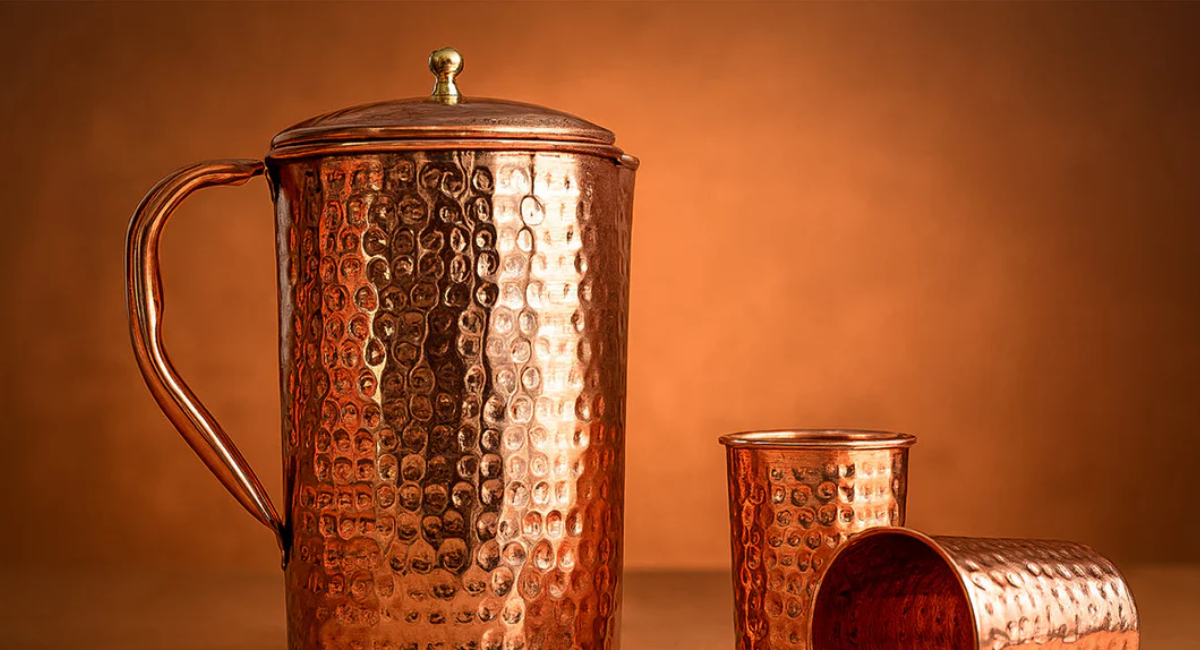
Drinking water stored in a copper cup has been a part of traditional wellness practices, particularly in Ayurveda, for centuries. Copper is an essential trace mineral that the body needs in small amounts for various functions, including energy production, iron metabolism, and immune support.
Modern research suggests that copper has natural antimicrobial properties, but it’s important to separate traditional beliefs from scientifically established health benefits. Drinking water from a copper vessel may offer certain advantages when used safely and in moderation.
1. May Help Reduce Harmful Bacteria
Copper has natural antimicrobial properties that can reduce the growth of certain bacteria on its surface. Studies have shown that storing water in a clean copper vessel for several hours may reduce some harmful microorganisms.
Potential Benefits
- Supports cleaner stored water
- Natural antimicrobial properties
- Traditionally used for water storage
2. Supports Brain Function
Copper plays a role in maintaining healthy nerve cells and contributes to normal brain function.
Benefits
- Supports nervous system function
- Helps with normal energy production
- Essential trace mineral for overall health
3. Helps Maintain Healthy Red Blood Cell Production
Copper works together with iron to support the production of healthy red blood cells.
Benefits
- Helps the body utilize iron
- Supports normal hemoglobin formation
- Contributes to oxygen transport
4. Supports Joint and Connective Tissue Health
Copper is involved in the formation of collagen and connective tissues, which are important for healthy joints, bones, and blood vessels.
Benefits
- Supports connective tissue formation
- Contributes to healthy bones
- Important for collagen production
5. Provides Antioxidant Support
Copper is a component of antioxidant enzymes, including superoxide dismutase (SOD), which help protect cells from oxidative stress.
Benefits
- Supports the body’s natural antioxidant defenses
- Helps protect cells from free radicals
- Contributes to overall wellness
6. May Support Healthy Digestion
Staying hydrated is important for healthy digestion, regardless of the container you drink from. Some traditional practices also suggest that water stored in copper vessels may promote digestive wellness, although more scientific research is needed.
Benefits
- Supports normal digestion through hydration
- Traditional wellness practice
- Easy way to maintain hydration
7. Supports Iron Metabolism
Copper helps the body absorb and utilize iron efficiently, making it an essential nutrient for maintaining healthy blood cells.
Benefits
- Supports iron utilization
- Helps maintain healthy blood function
- Essential trace mineral
8. Supports Immune Health
Copper contributes to the normal functioning of the immune system when consumed in appropriate amounts as part of a balanced diet.
Benefits
- Supports normal immune function
- Essential micronutrient
- Works alongside other vitamins and minerals
How to Use a Copper Cup Safely
To enjoy water from a copper cup safely:
- Fill the cup with drinking water and let it sit for 6–8 hours or overnight.
- Wash the cup regularly with lemon and salt or a mild cleaning solution to prevent tarnish.
- Avoid storing acidic beverages like lemon juice, vinegar, or fruit juices in copper containers, as they can cause excessive copper to leach into the liquid.
- Use only food-grade copper vessels designed for drinking water.
Are There Any Risks?
Yes. While copper is essential, too much copper can be harmful. Drinking excessive amounts of copper or using damaged, unlined copper containers with acidic liquids may increase copper intake beyond safe levels.
If you have Wilson’s disease or another condition affecting copper metabolism, consult your healthcare provider before using copper vessels.
Final Thoughts
Drinking water from a copper cup is a long-standing traditional wellness practice that may offer benefits such as the natural antimicrobial properties of copper and a small contribution to your daily copper intake. However, many health claims—such as preventing aging or treating arthritis—are not supported by strong scientific evidence. The greatest health benefit still comes from staying well hydrated, eating a balanced diet, and maintaining healthy lifestyle habits.
