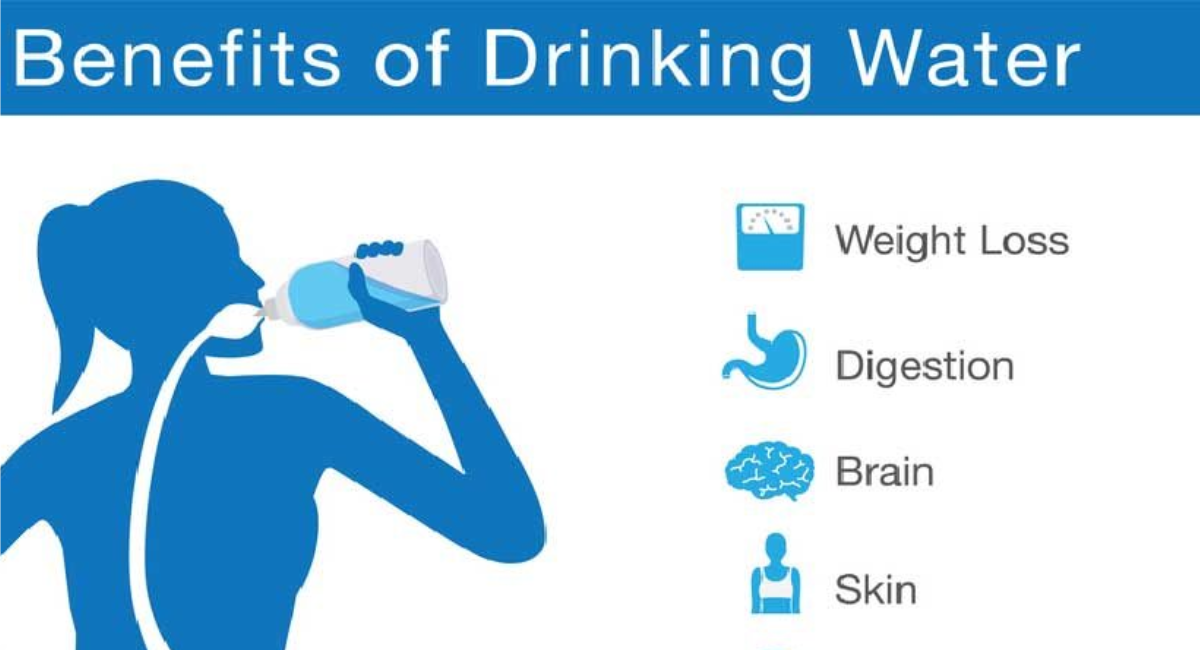
Staying hydrated is one of the simplest ways to support your overall health. Water helps regulate body temperature, transport nutrients, lubricate joints, and keep your organs functioning properly. While many people wonder whether cold or warm water is healthier, the truth is that the best water is the water you’ll drink consistently.
Each water temperature has its own advantages depending on your preferences, activity level, and the situation.
Very Cold Water
Very cold water is especially refreshing on hot days or after intense physical activity.
Potential Benefits
- Helps cool the body after exercise
- Refreshing during warm weather
- May encourage hydration if you enjoy cold drinks
Things to Consider
- Some people find it uncomfortable if they have sensitive teeth.
- It may feel less comfortable for people with sore throats or certain digestive conditions.
Cold Water
Cold water is a popular everyday choice and works well for most healthy individuals.
Benefits
- Refreshing and satisfying
- Helps maintain hydration
- Ideal after physical activity or in hot climates
- Safe for most people
Room-Temperature Water
Room-temperature water is easy for many people to drink throughout the day.
Benefits
- Comfortable to sip regularly
- Supports daily hydration
- Gentle for people who prefer avoiding very cold drinks
- Convenient in most settings
Warm Water
Warm water is commonly enjoyed first thing in the morning or alongside meals.
Potential Benefits
- Comforting in cooler weather
- Can be soothing for the throat
- May feel relaxing before bedtime
- Supports hydration just like cold water
Although some people believe warm water improves digestion, scientific evidence suggests that the most important factor is drinking enough water, regardless of temperature.
Why Proper Hydration Is Important
Getting enough water every day helps:
- Regulate body temperature
- Support healthy digestion
- Lubricate joints
- Transport nutrients throughout the body
- Maintain healthy skin
- Support kidney function
- Improve physical performance
- Support normal brain function and concentration
Signs You May Need More Water
Watch for these common signs of dehydration:
- Dark yellow urine
- Dry mouth
- Thirst
- Fatigue
- Headache
- Dizziness
- Reduced urination
If you experience severe dehydration symptoms, seek medical attention promptly.
Tips to Stay Hydrated
- Carry a reusable water bottle.
- Drink water regularly throughout the day.
- Increase your fluid intake during hot weather or exercise.
- Eat water-rich foods like watermelon, cucumber, oranges, and strawberries.
- Limit sugary beverages.
- Drink water before, during, and after physical activity.
How Much Water Should You Drink?
Water needs vary depending on age, activity level, climate, and overall health. A common guideline is:
- Women: About 2.7 liters (91 ounces) of total water per day (including water from foods and beverages).
- Men: About 3.7 liters (125 ounces) of total water per day (including water from foods and beverages).
Your needs may be higher if you exercise regularly, spend time in hot environments, or are pregnant or breastfeeding.
Which Water Temperature Is Best?
There isn’t a single “best” temperature for everyone.
- Very cold water: Great after exercise or in hot weather.
- Cold water: Refreshing and enjoyable for daily hydration.
- Room-temperature water: Comfortable and easy to drink throughout the day.
- Warm water: Soothing, especially during colder months or when you have a sore throat.
The key takeaway is simple: staying well hydrated is far more important than the temperature of your water.
Final Thoughts
Whether you prefer your water ice-cold, chilled, room temperature, or warm, every glass contributes to your daily hydration. Choose the temperature that you enjoy most so you’re more likely to drink enough water consistently. Combined with a balanced diet and an active lifestyle, proper hydration plays an essential role in supporting your overall health and well-being.
