Have you ever felt like you’re constantly on edge, unable to relax, emotionally drained, or always expecting something to go wrong? Many people describe this feeling as having a “stuck nervous system.”
Although “stuck nervous system” isn’t a medical diagnosis, it can describe a situation where your body’s stress response stays activated for longer than it should. Instead of returning to a calm and balanced state after stress passes, your body may continue reacting as though it’s still under pressure.
The good news is that your nervous system is adaptable. With healthy daily habits and, when needed, professional support, many people can improve how they respond to stress over time.
What Does a “Stuck Nervous System” Mean?
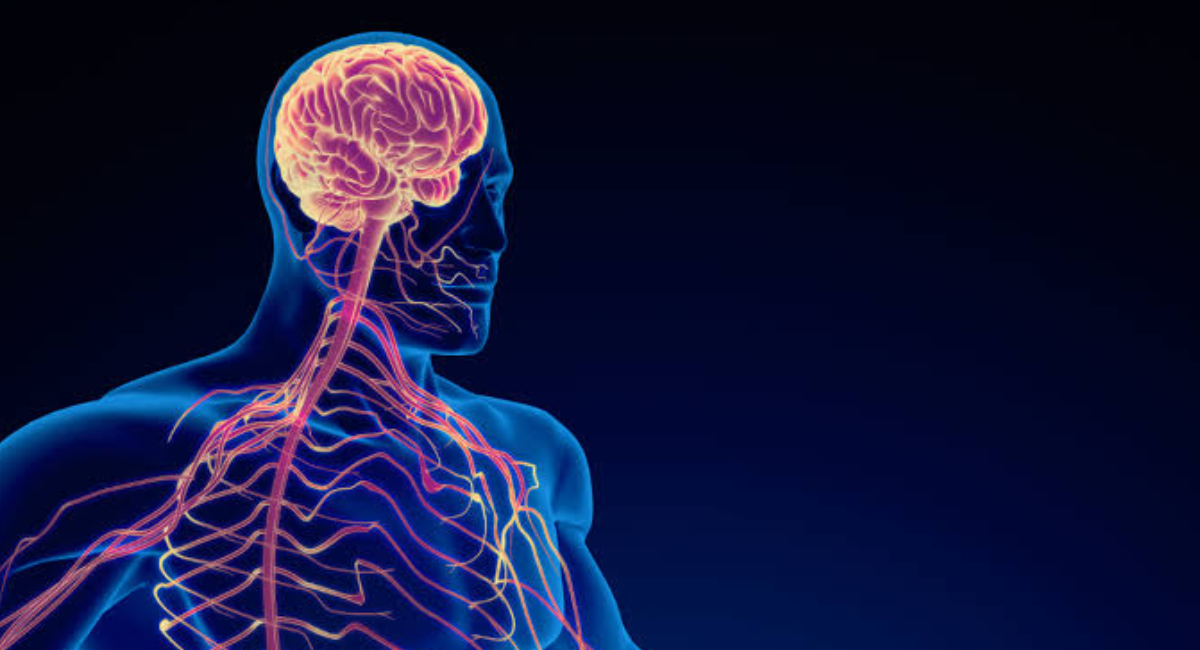
Your nervous system helps control everything from breathing and heart rate to movement, emotions, and your body’s response to stress.
When you experience a stressful event, your sympathetic nervous system activates your body’s “fight-or-flight” response. Once the stressful situation ends, your parasympathetic nervous system helps your body relax and recover.
Sometimes, ongoing stress, trauma, illness, or burnout may leave people feeling as though they’re constantly stuck in a heightened state of alertness or emotional exhaustion. While the term “stuck nervous system” is informal, it reflects a very real experience for many people.
Common Signs You May Feel Stuck in Stress
Everyone experiences stress differently, but common signs may include:
- Constant anxiety or worry
- Feeling overwhelmed by small tasks
- Difficulty relaxing
- Trouble sleeping
- Racing thoughts
- Muscle tension
- Frequent headaches
- Fatigue despite getting enough rest
- Irritability
- Digestive discomfort
- Brain fog
- Feeling emotionally numb
- Being easily startled
- Difficulty concentrating
These symptoms can also be caused by medical conditions or mental health disorders, so it’s important not to self-diagnose.
What Can Cause This Feeling?
Several factors can contribute to prolonged stress responses, including:
Chronic Stress
Work deadlines, financial concerns, caregiving responsibilities, or relationship challenges can keep your body under constant pressure.
Trauma
Past traumatic experiences may affect how the nervous system responds to future stress.
Burnout
Long periods of physical or emotional exhaustion can leave you feeling mentally and physically depleted.
Poor Sleep
Not getting enough quality sleep can make it harder for your body to recover from daily stress.
Medical Conditions
Hormonal imbalances, thyroid disorders, chronic pain, and other health conditions may produce symptoms that resemble chronic stress.
Healthy Ways to Support Your Nervous System
While there’s no instant “reset,” these habits can help support your body’s natural ability to recover from stress.
Practice Deep Breathing
Slow, controlled breathing can encourage relaxation.
Try inhaling through your nose for four seconds, holding briefly, and exhaling slowly through your mouth for six seconds.
Move Your Body
Regular physical activity helps reduce stress and supports both physical and mental health.
Walking, yoga, stretching, swimming, or cycling are all excellent options.
Prioritize Sleep
Aim for 7–9 hours of quality sleep each night.
Maintain a consistent bedtime and reduce screen time before bed.
Eat a Balanced Diet
Choose foods rich in:
- Fruits
- Vegetables
- Whole grains
- Lean protein
- Healthy fats
- Omega-3-rich fish
- Nuts and seeds
Good nutrition supports overall brain and nervous system health.
Spend Time Outdoors
Nature can have a calming effect for many people.
Even a short daily walk outside may help improve mood and reduce stress.
Limit Caffeine if It Makes You Jittery
Some people find that too much caffeine increases feelings of anxiety or nervousness.
Pay attention to how your body responds.
Practice Mindfulness
Mindfulness encourages you to focus on the present moment without judgment.
Simple mindfulness exercises include:
- Meditation
- Body scans
- Gentle yoga
- Journaling
- Gratitude practice
Stay Connected
Talking with supportive friends or family members can reduce feelings of isolation and improve emotional well-being.
When to Seek Professional Help
If your symptoms are severe, persist for several weeks, or interfere with your daily life, it’s important to speak with a healthcare provider or licensed mental health professional.
Professional support may be especially helpful if you’re experiencing:
- Frequent panic attacks
- Persistent anxiety
- Ongoing depression
- Trauma-related symptoms
- Difficulty functioning at work or school
- Significant sleep problems
A healthcare professional can help identify underlying causes and recommend appropriate treatment.
Can Your Nervous System Heal?
In many cases, yes. The nervous system has an amazing ability to adapt, a quality known as neuroplasticity. While recovery takes time and differs from person to person, healthy lifestyle habits, stress management techniques, therapy, and medical care—when needed—can all support your body’s ability to respond to stress more effectively.
Rather than looking for a quick fix, focus on creating small, sustainable habits that help you feel calmer and more resilient over time.
Final Thoughts
Feeling like your nervous system is “stuck” can be frustrating, but it doesn’t mean you’ll feel that way forever. Although the phrase isn’t a medical diagnosis, it often reflects the effects of prolonged stress or emotional overload. By prioritizing sleep, regular movement, nutritious food, mindfulness, and supportive relationships, you can help your body recover and build resilience. If stress, anxiety, or emotional difficulties continue to interfere with your daily life, don’t hesitate to seek help from a qualified healthcare professional. Taking care of your nervous system is an important part of taking care of your overall health.
